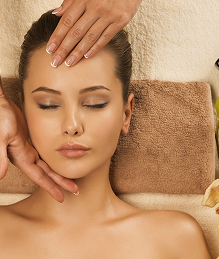

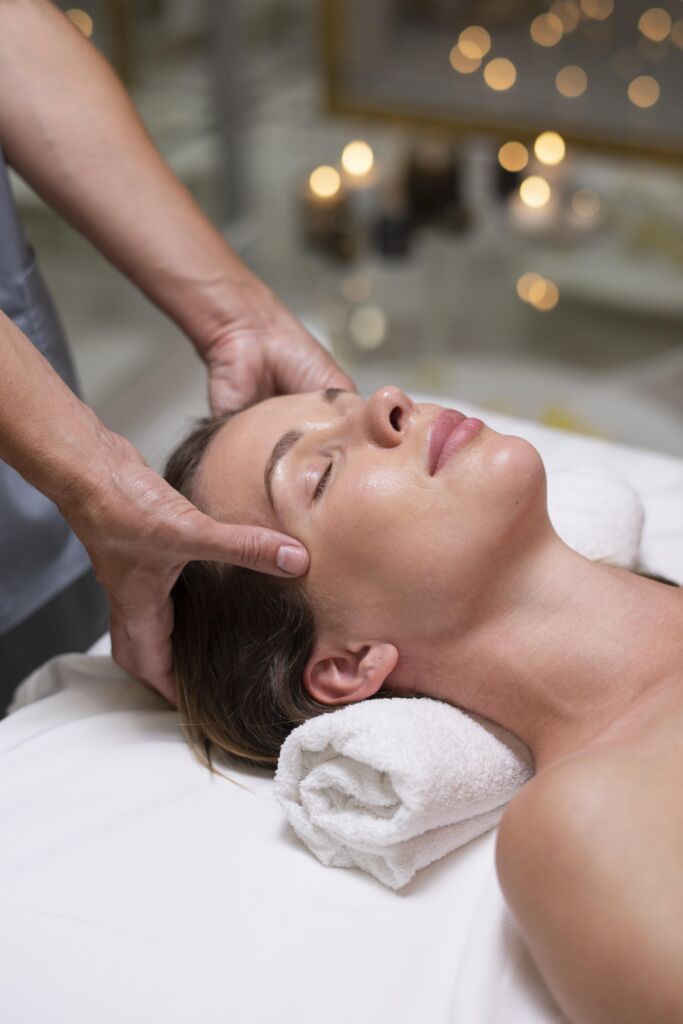
There are techniques that seem simple but have a profound impact on the body. A scalp massage is one of them.
In Japan, scalp care is not just a matter of aesthetics. It is an ancient practice that views hair as an extension of one’s inner balance. And, as such, it addresses the issue at its source: the root.
In a world where hair loss, stress, and mental fatigue are part of everyday life, scalp massage is emerging as a tool that goes far beyond hair care. It’s not just about improving the way your hair looks, but about transforming the environment in which it grows.
Because when you work from the ground up, change is real.
What Is Japanese Cranial Massage?
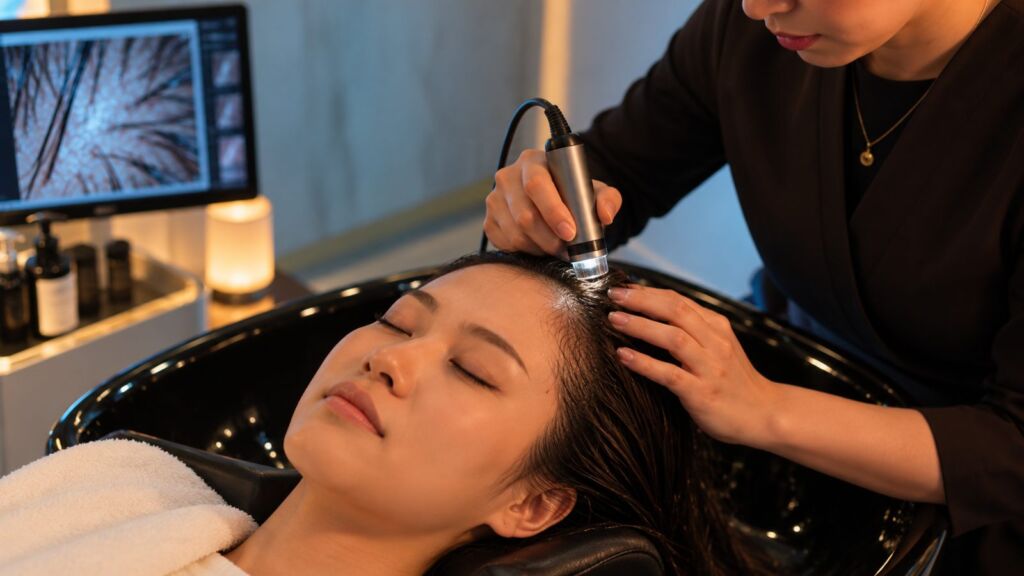
Japanese scalp massage is a manual technique that combines pressure, rhythmic movements, and stimulation of specific points on the scalp.
Its goal is not only to relax, but also to activate key physiological processes: improving blood circulation, oxygenating tissues, and stimulating the hair follicle.
Unlike other types of massage, this one focuses on an area that rarely receives direct attention but influences many of the body’s functions. The scalp acts as a connection point between the physical and the emotional.
Using it with precision produces an effect that is felt in both the hair and the mind.
Why Hair Growth Starts at the Root
Hair does not grow from the surface, but from inside the hair follicle. That is where its life cycle, thickness, and strength are regulated.
When the follicle receives enough oxygen and nutrients, the hair grows strong and healthy. But when circulation is poor or the environment is disrupted, hair growth slows down.
Stress, accumulated tension, or poor blood flow can directly affect this process. The scalp becomes stiffer and less flexible, and the follicle loses its ability to regenerate.
That’s why any treatment aimed at improving the condition of your hair should start at the root.
How a scalp massage affects the scalp
Cranial massage works on three fundamental levels: muscular, circulatory, and nervous.
On a muscular level, it helps release tension that has built up in the scalp. Although it is not always noticeable, this area also tightens in response to stress, limiting its mobility and elasticity. As with other forms of bodily tension, this stiffness directly affects overall well-being.
In terms of circulation, manual stimulation activates blood flow, facilitating the delivery of essential nutrients to the hair follicle. This improves hair quality and promotes hair growth.
On a neurological level, massage acts as a natural regulator. It reduces stress, balances the nervous system, and creates a more favorable environment for hair growth.
It is quiet work, but deeply effective.
Benefits of Scalp Massage for Hair Growth
Beyond the immediate feeling of relaxation, scalp massage has progressive and cumulative effects on hair health.
Among the most notable benefits are:
- Stimulating hair growth from the root
- Strengthening the Hair Follicle
- Improved oxygenation and nutrition of the scalp
- Reduction in stress-related hair loss
- Greater hair density and strength
- Improved texture and natural shine
These effects aren’t immediate, but they are long-lasting. With consistent use, your hair will respond.
The Impact of Cranial Massage on the Nervous System
One of the most important aspects of cranial massage is its effect on the nervous system.
Rhythmic, sustained touch sends signals of safety to the brain, reducing cortisol production and activating the parasympathetic nervous system, which is responsible for rest and recovery.
This change not only improves overall well-being but also directly influences the hair growth cycle. A body in a state of calm promotes processes such as cell regeneration and hair growth.
That is why a scalp massage is not just a physical treatment. It is also a tool for emotional regulation.
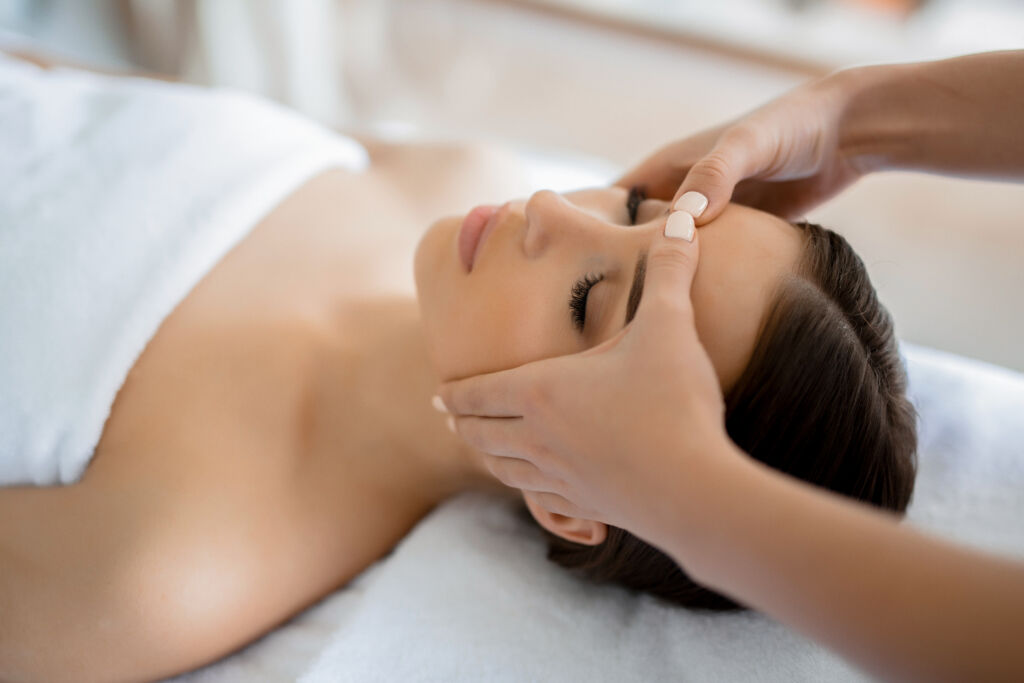
Who can benefit most from this technique?
Although anyone can experience its benefits, there are certain groups for whom cranial massage is particularly recommended.
People experiencing hair loss, a decrease in hair density, or weakened hair will find this technique to be a natural way to improve their hair health.
This also applies to people who experience high levels of stress, mental fatigue, or difficulty unwinding. In these cases, massage acts as a direct way to release accumulated tension.
And, in general, anyone who wants to take care of themselves in a more holistic way, where beauty and well-being go hand in hand.
What does a scalp massage feel like?
During the session, your perception of time changes. The rhythm of the massage, the controlled pressure, and the gradual stimulation create an immersive experience.
At first, you feel a sense of relief. Little by little, your body enters a deeper state of relaxation. And when it’s over, a feeling of lightness spreads beyond your scalp.
Many people describe having a clearer mind, a more relaxed body, and a sense of overall balance.
In the days that follow, your hair feels stronger and more vibrant. And you feel a greater sense of well-being.
Conclusion
Japanese scalp massage is a technique that demonstrates that hair growth depends not only on what we apply to our hair, but also on how we care for its roots.
Working at the root level means understanding the body as a whole, where circulation, the nervous system, and emotional balance are deeply interconnected.
Incorporating it into your hair care routine isn’t a quick fix, but rather a long-term investment in the health and well-being of your hair. Because when the roots are strong, everything else grows better.