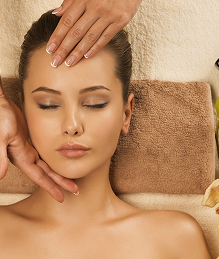
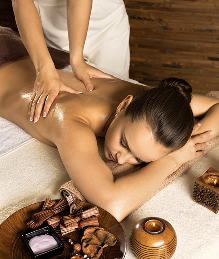

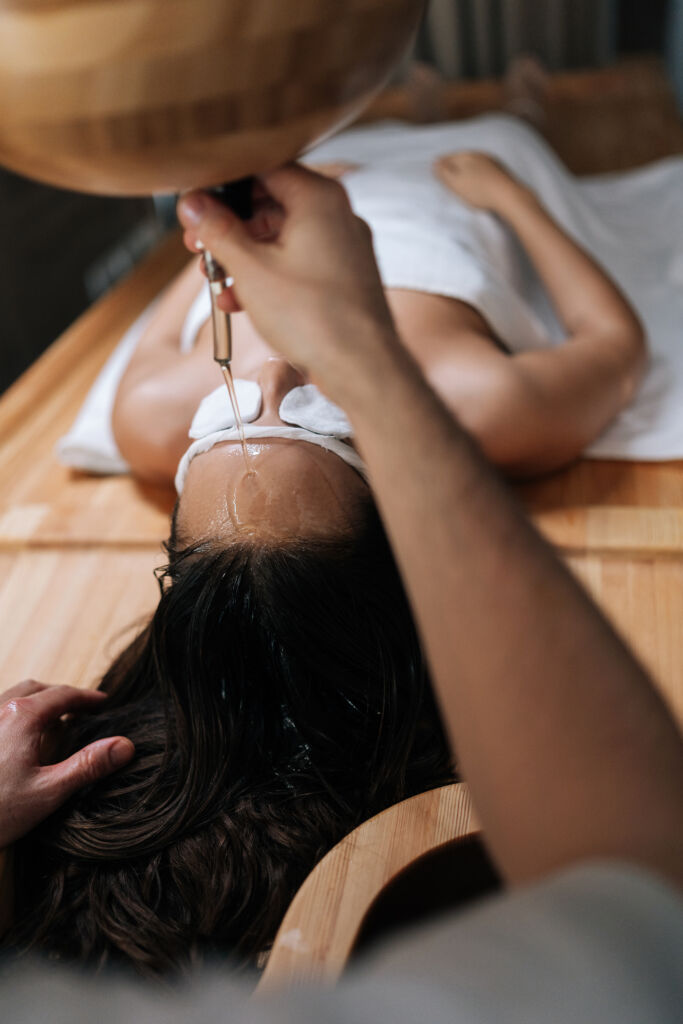
There are treatments that seem to focus on a specific part of the body, but that actually transform much more than they promise. The Japanese Head Spa is one of them.
At first glance, it might be seen as an advanced hair care treatment—a ritual focused on the scalp, the hair, and their health. But just one session is enough to realize that its impact runs much deeper: it affects the mind, the nervous system, and the body’s overall balance.
In a world where stress builds up silently and steadily, these types of treatments become more than just beauty care. They are a real tool for well-being. Because when you address the root cause, everything else starts to fall into place.
What is a Japanese Head Spa?
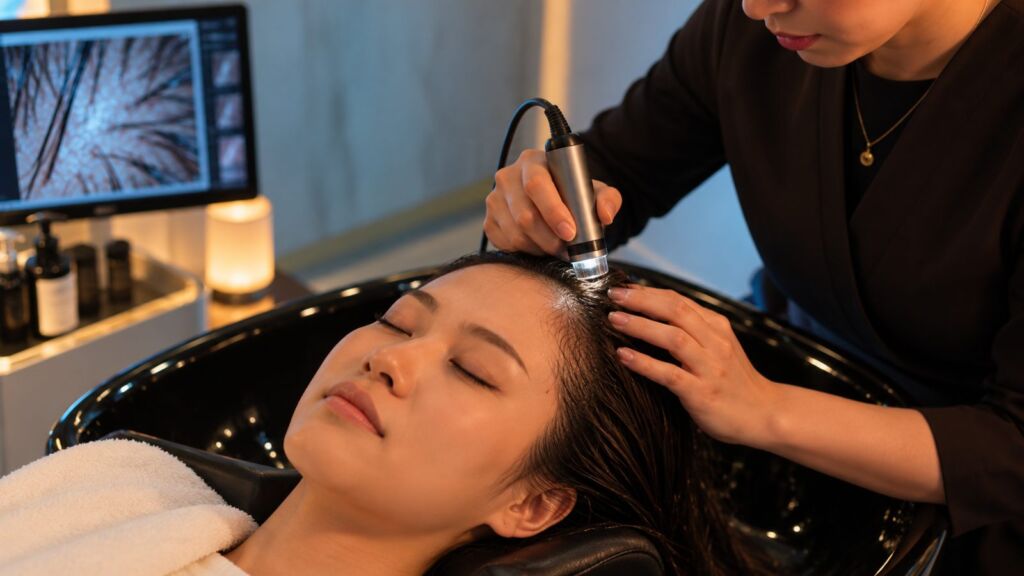
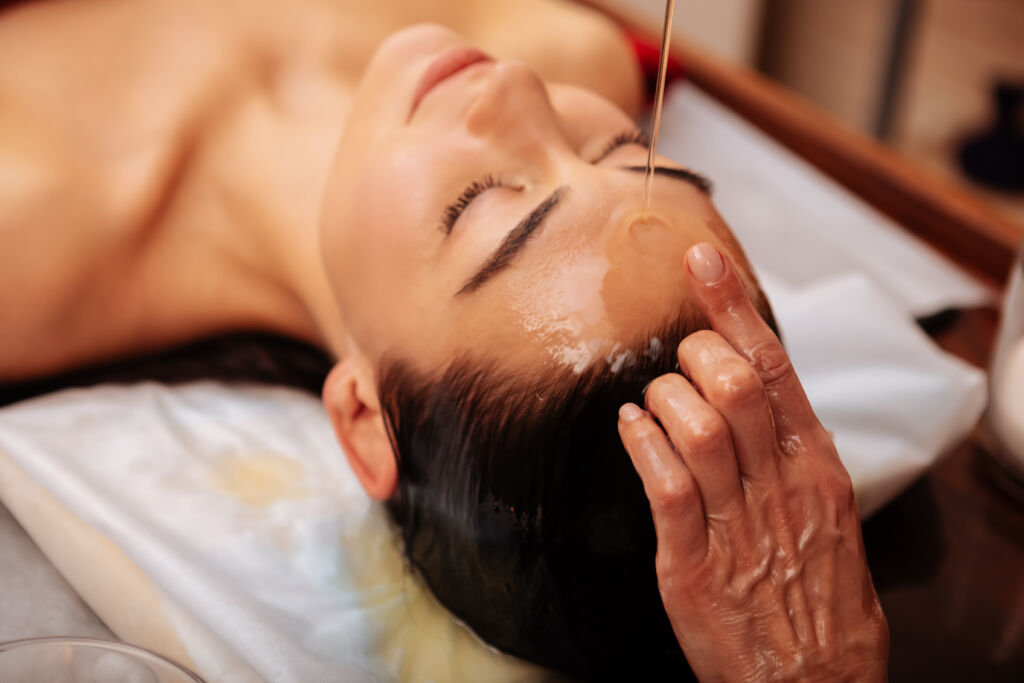
The Japanese Head Spa is a treatment that combines scalp massage techniques, deep scalp cleansing, and sensory stimulation. It originated in Japan, where hair care is viewed as an extension of holistic body care.
Unlike other hair treatments, it doesn’t just improve the appearance of the hair. Its focus is on the scalp as the foundation of it all: a foundation that, when healthy, allows hair to grow strong, shiny, and resilient.
But its impact doesn’t end there. The manual technique, the rhythm of the massage, and the stimulation of specific points trigger a physiological response that goes far beyond what is visible.
Why Your Scalp Is Key to Your Well-Being
The scalp is one of the areas of the body with the highest concentration of nerve endings. It is directly connected to the central nervous system and responds immediately to stress, tension, and emotional state.
When tension builds up in this area, blood flow is reduced, the follicle weakens, and hair quality declines. But that tension also leads to mental fatigue, difficulty relaxing, and even trouble sleeping.
Just as with muscle tension in other parts of the body, the scalp also needs to release that built-up tension. And that’s where the Japanese Head Spa comes into play.
7 Benefits of the Japanese Head Spa
1. Deep cleansing of the scalp
One of the first effects of the Head Spa is the removal of accumulated impurities: excess oil, product residue, dead skin cells, and pollutants.
This cleansing is not superficial. It is performed carefully and gradually, respecting the scalp’s natural balance. The result is an immediate feeling of lightness and freshness.
A clean scalp is the first step to healthy hair.
2. Stimulation of blood circulation
A scalp massage stimulates microcirculation, facilitating the delivery of oxygen and nutrients to the hair follicle.
This process strengthens the hair roots and promotes hair growth. But it also creates a sensation of vitality that is felt throughout the body.
When circulation improves, the body functions better.
3. Reduction of stress and accumulated tension
The Head Spa has a direct effect on the nervous system. The rhythmic touch, controlled pressure, and sensory environment induce a deep state of relaxation.
Cortisol production is reduced, and the release of endorphins—the “feel-good” hormones—is promoted. The result is a state of true calm, not just a superficial one.
It’s the kind of relaxation that isn’t forced—it just happens.
4. Improving Sleep Quality
Many people experience a deeper sense of relaxation after a Head Spa session. This is no coincidence.
By regulating the nervous system and reducing accumulated tension, the body enters a state of rest more easily. Sleeping better isn’t just a result—it’s part of the treatment.
6. Relief of tension in the head, neck, and shoulders
The massage isn’t limited to the scalp. Many techniques extend to the neck and shoulders, where much of the daily tension builds up.
This release has a holistic effect: it improves posture, reduces stiffness, and provides a feeling of lightness that is hard to describe until you experience it.
The body stops holding on to what it doesn’t need.
7. Emotional Well-Being and Mental Clarity
Beyond the physical aspect, the Head Spa has a direct impact on one’s emotional state.
The mind slows down, the internal noise subsides, and a sense of clarity emerges that many people describe as a “reset.” It is a space where the body relaxes and the mind follows suit.
It’s not just about disconnecting. It’s about returning to a more balanced state.
Who Can Benefit Most from the Japanese Head Spa?
Although anyone can enjoy its benefits, there are certain groups of people for whom this treatment is particularly transformative.
People experiencing high levels of stress, mental fatigue, or difficulty unwinding find the Head Spa to be a true haven for relaxation. It’s also ideal for those suffering from hair problems such as hair loss, thinning hair, or a sensitive scalp.
And, in general, anyone who wants to take care of themselves in a more mindful way, where the body and mind are not treated separately.
What sensations does a Head Spa session produce?
During the session, time seems to slow down. The touch, the water, the scents, and the rhythm of the massage create an immersive experience.
The initial sensations are usually ones of gradual relaxation. Then, the body completely surrenders to the treatment. And when it’s over, you experience a sense of lightness, clarity, and well-being that’s hard to compare to anything else.
In the days that follow, the effects continue: your hair feels cleaner and more vibrant; your mind, calmer; your body, more balanced.
Conclusion
The Japanese Head Spa demonstrates that hair care can be much more than just a matter of aesthetics. It is a way to work on the body and mind from a key starting point: the root.
Its benefits aren’t limited to the hair. They extend to the nervous system, rest, and emotional balance. It’s a treatment that works deeply, even though its effects are subtle.
Incorporating it into a wellness routine isn’t a luxury—it’s a conscious decision to take care of yourself.
Because sometimes, it all starts in a place we can’t see. And when that place is right, everything else falls into place.