
There’s a time of year when your hairbrush starts to get fuller than usual. In the shower, on your pillow, on your clothes. Your hair falls out, and with it comes a concern that many people share: Is this normal, or should I be worried?
For most people, this increase in hair loss coincides with fall. Although this phenomenon may be alarming, it is part of the hair’s natural cycle. However, understanding why it happens and how to address it makes the difference between temporary hair loss and a problem that could persist over time.
Hair, like the rest of the body, responds to seasonal changes. And fall isn’t just a change in the weather—it’s also a time of biological renewal. The key is to support that process from the root, not just on the surface.
Why Do We Lose More Hair in the Fall?
Hair goes through a life cycle divided into three phases: growth, transition, and shedding. During the summer, a larger proportion of hair remains in the growth phase. But when fall arrives, much of it enters the shedding phase all at once.
This phenomenon, known as seasonal hair loss, has an evolutionary explanation. As with other mammals, the body adapts to changes in light and temperature. The decrease in daylight hours affects the production of melatonin, a hormone that regulates, among other functions, the hair growth cycle.
Added to this is the impact of summer: sun exposure, chlorine, sea salt, and changes in your routine can weaken your hair. Although hair loss may not be noticeable during the summer months, the accumulated damage becomes apparent weeks later.
The result is a significant increase in the rate of leaf fall in the fall, which, under normal conditions, lasts between 4 and 8 weeks.
When the Decline Is No Longer Seasonal
Although falling leaves in the fall is a common occurrence, it is not always completely harmless. There are signs that indicate the problem may go beyond a natural process.
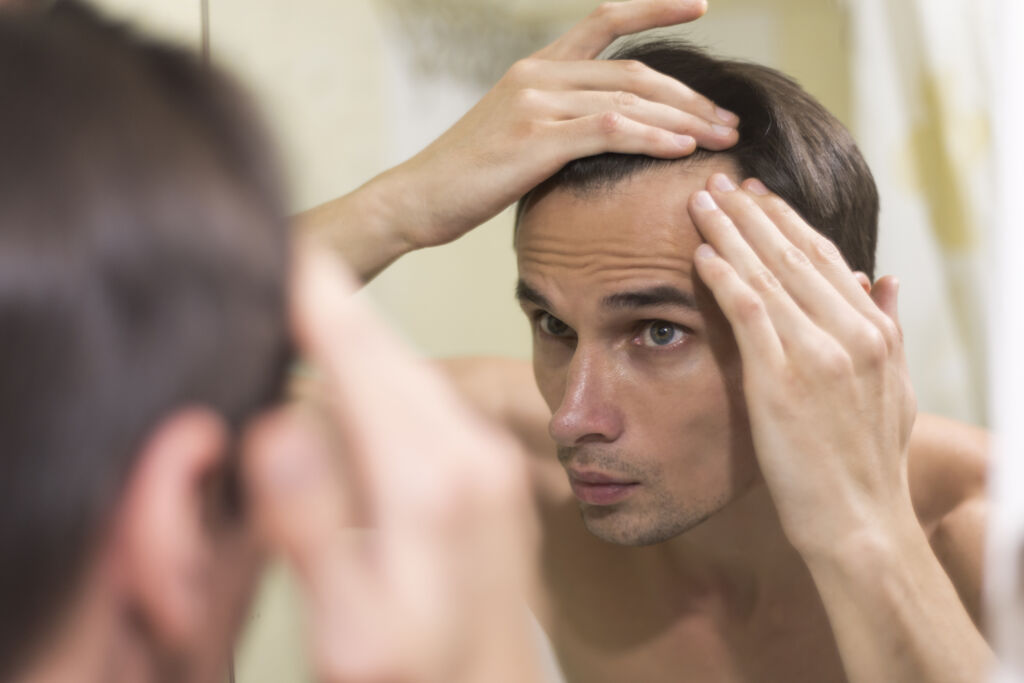
When hair loss lasts longer than two months, hair volume visibly decreases, or hair gradually loses density, it’s important to take notice. Factors such as stress, hormonal imbalances, diet, or scalp health may be directly contributing to this.
Stress, in particular, plays a key role. Just as with the muscle tension described in other bodily processes, the body reacts by activating alarm mechanisms that affect nonessential functions, such as hair growth. This can accelerate hair loss and weaken the follicle.
Identifying the cause is the first step toward effectively addressing the problem.
What Happens at the Hair Root
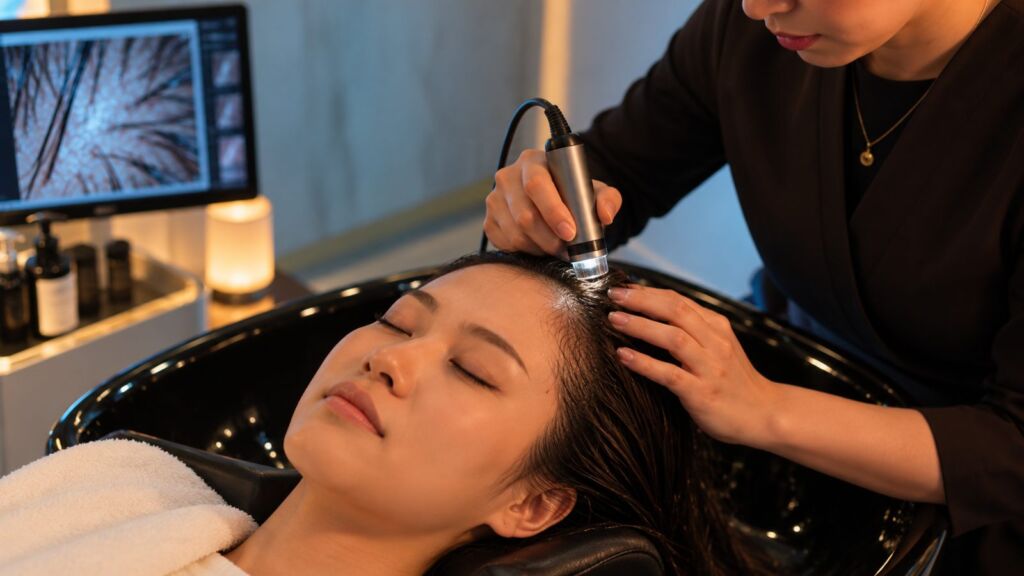
Hair loss does not begin at the ends, but rather in the hair follicle, located beneath the skin. That is where hair growth, nutrition, and strength are regulated.
When the follicle weakens, the hair enters the shedding phase earlier. This may be due to reduced blood flow, a nutrient deficiency, or inflammation of the scalp.
Furthermore, the scalp is often the most overlooked part of hair care routines. People take care of the visible hair, but not the foundation from which it grows. And without a healthy foundation, hair can hardly remain strong.
Treating the problem at its root means improving the health of the scalp: stimulating circulation, oxygenating the tissues, and balancing the scalp.
What You Can Do to Stop Hair Loss at the Root
Beyond superficial solutions, addressing hair loss in the fall requires a comprehensive approach. It’s not just about stopping hair loss, but about strengthening the hair growth cycle so that hair grows healthier and stronger.
Among the most effective measures are:
- Stimulate blood circulation in the scalp to improve the delivery of nutrients to the hair follicle
- Maintain a balanced diet rich in essential vitamins and minerals
- Reduce stress, as it directly affects the hair growth cycle
- Avoid external factors such as excessive heat or harsh products
- Incorporate treatments that act directly on the root
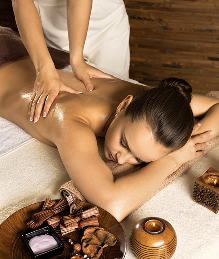
This last point is key. Hair treatments that include massage not only affect the hair but also the nervous system, promoting a state of relaxation that has a positive impact on the entire body.
The Role of Scalp Massage in Hair Health
A scalp massage is one of the most effective—and yet most underrated—tools in hair care. Its benefits go far beyond the immediate feeling of relaxation.
On a physiological level, massage stimulates blood microcirculation in the scalp, promoting the delivery of oxygen and nutrients to the hair follicle. This strengthens the root and improves the quality of the hair that grows.
At the neurological level, it acts as a stress regulator. Like other deep manual therapies, sustained touch sends calming signals to the brain, reducing cortisol production and promoting an environment more conducive to hair growth.
In addition, it helps relieve tension that has built up in the scalp—tension that often goes unnoticed but directly affects hair health.
Who can benefit most from this care?
Although the fall is a common occurrence, there are certain groups of people who may feel its effects more intensely.
People with high stress levels, recent hormonal changes, or an unbalanced diet tend to experience more severe hair loss. This is also true for those who have subjected their hair to chemical treatments or intense sun exposure during the summer.
In these cases, taking care of your hair from the roots is not only recommended but necessary. Not as a one-time solution, but as a wellness habit that prevents future problems.
What does it feel like to care for your hair starting at the roots?
When hair care is approached in a comprehensive way, the results aren’t long in coming. Beyond reducing hair loss, your hair regains its shine, strength, and density.
Your scalp feels lighter and less tight. The itching or discomfort goes away. And little by little, your hair stops being a constant worry.
Many people also report an improvement in their overall well-being. Because hair care, when approached from the root, isn’t just about aesthetics—it’s a way to connect with your own body.
Conclusion
Hair loss in the fall is a natural process, but that doesn’t mean it should be ignored. Understanding its causes allows you to take action early and prevent it from becoming a more serious problem.
Caring for your hair from the root means going beyond what is visible. It means addressing the source—the balance of the scalp and the body itself.
Because hair isn’t just about looks. It’s a reflection of your inner well-being. And like everything that matters, it needs attention, consistency, and mindful care.